130 North Jackson Street, Danville IL 61832
 217-443-3592
 734-442-0101 |


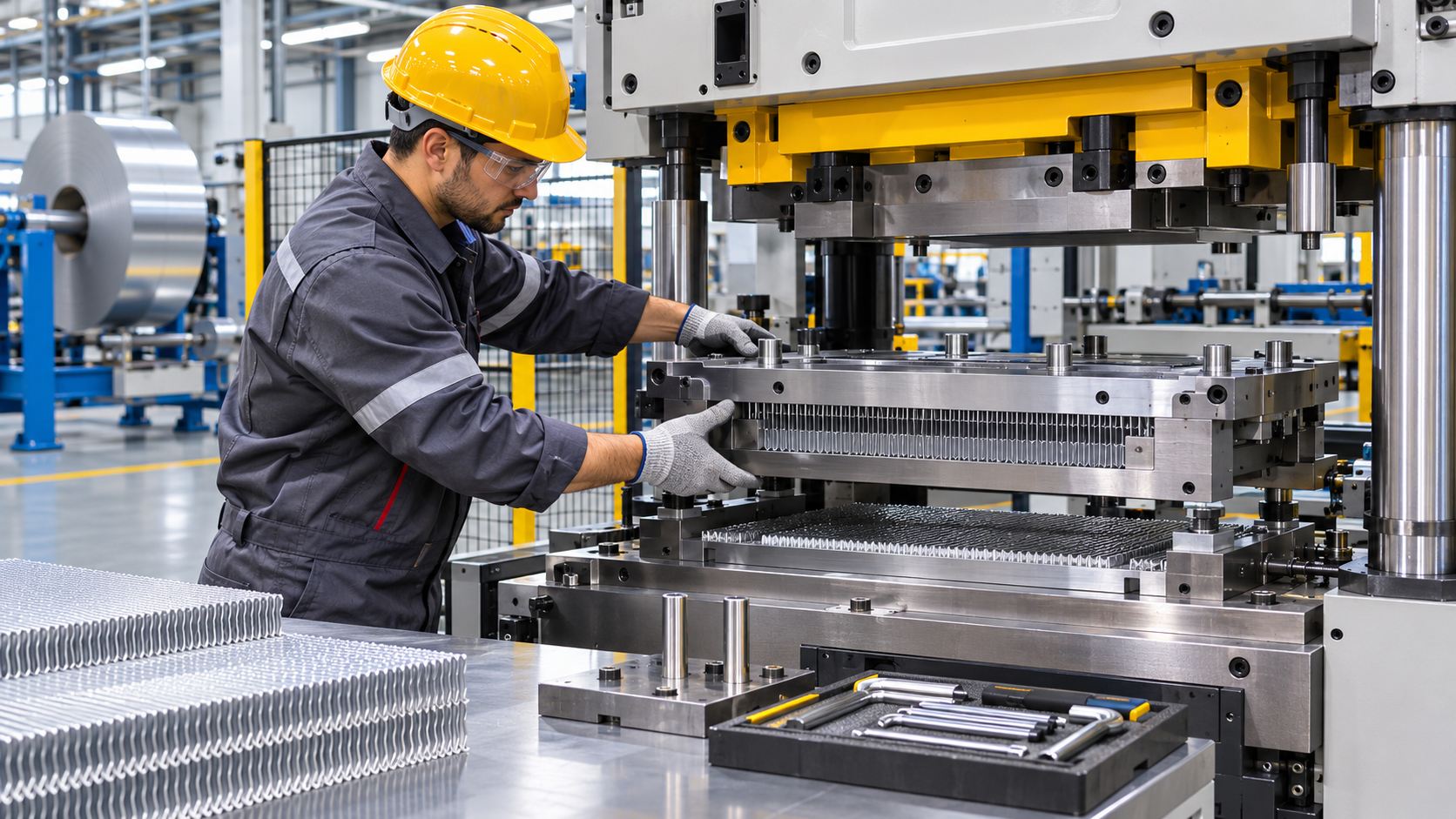
In heat exchanger manufacturing, every minute of production time matters. Whether your facility produces HVAC coils, condensers, or evaporators, keeping your fin production equipment running efficiently is essential to meeting customer demand.
However, one area that can interrupt an otherwise productive manufacturing schedule is the fin press die changeover.
Switching between fin dies may be necessary when manufacturers change fin designs, material specifications, or production requirements. Although the process is a normal part of manufacturing, inefficient changeovers can lead to unnecessary downtime, wasted material, and delayed production.
At Tridan International, we understand the importance of dependable fin production machinery and equipment that supports efficient manufacturing. Here are several ways manufacturers can improve their fin press changeover process while maintaining consistent product quality.
Why Fin Press Die Changeovers Matter
Fin presses use specialized dies to form metal fins used in heat exchangers. These fins increase the surface area available for heat transfer, helping heating and cooling equipment operate effectively.
Different heat exchanger designs may require variations in fin dimensions, hole patterns, collar configurations, and material thicknesses. This means manufacturers handling multiple product specifications may need to change tooling throughout their production schedules.
An inefficient die changeover can create several problems, including extended machine downtime, unnecessary adjustments, increased scrap, and inconsistent fin quality.
The goal is not simply to change dies as quickly as possible. An effective changeover should allow manufacturers to resume production safely while producing fins that meet their required specifications.
1. Prepare the Next Fin Die Before Production Stops
One of the most practical ways to improve a fin press die changeover is to complete appropriate preparation before the current production run ends.
Production teams should confirm that the correct die is available for the next job, inspect its documented condition, and verify that the required tools and approved setup information are ready.
It is also important to review the next production order, including the required fin dimensions, stock material, and applicable die specifications.
This approach follows a manufacturing improvement method known as Single-Minute Exchange of Die, or SMED. The method separates preparation that can be completed while production continues from tasks that require the machine to be stopped.
By organizing work before the changeover begins, manufacturers can reduce unnecessary delays without rushing critical setup activities.
2. Use Proper Equipment for Fin Die Handling
Fin dies can be substantial pieces of tooling. Moving, positioning, and storing them requires appropriate handling equipment and established safety procedures.
Without the right equipment, die handling can become time-consuming and increase the risk of damage to expensive tooling.
Tridan offers a specialized Die Cart designed to support fin die handling and maintenance.
The Tridan Die Cart has a rated capacity of up to 5,000 pounds and provides a practical solution for moving and positioning tooling within its approved operating limits.
Using properly rated handling equipment can help manufacturers organize die changes while protecting their machinery, tooling, and employees.
All die movement and installation should be performed by qualified personnel following the applicable equipment instructions and facility safety procedures.
3. Review Fin Stock and Material Feeding Requirements
Changing the die is only one part of preparing a fin press for its next production run.
Manufacturers must also consider the fin stock being used, including its alloy, thickness, width, and other relevant material specifications.
If the next job requires different stock, material handling and feeding preparations should be coordinated with the die changeover.
An improperly prepared feeding system may contribute to misfeeds, material damage, or interruptions after production restarts.
Tridan provides fin production accessories designed to make material handling easier, including fin stock dollies and threading equipment.
For example, the Automatic Fin Stock Threader (AFST) is designed to assist with threading fin stock through the progressive stations of a fin die.
Using equipment appropriate for the production line can help make material preparation and threading more consistent.
4. Prioritize Safety During Every Changeover
Production efficiency should never come at the expense of workplace safety.
Fin press die changes involve heavy tooling, mechanical components, and potentially hazardous stored energy. Manufacturers should follow documented, machine-specific procedures for hazardous-energy control, die handling, guarding, and setup.
Only trained and authorized personnel should perform die-setting operations.
The Occupational Safety and Health Administration provides requirements for controlling hazardous energy during machine servicing and setup under 29 CFR 1910.147. Additional requirements may apply depending on the type of press and operation.
Manufacturers should also verify that required safeguarding measures are correctly restored before returning equipment to production.
A well-organized changeover procedure improves consistency while ensuring that safety remains an essential part of the process.
5. Verify Die Alignment and Setup Accuracy
Even when the correct die has been installed, production should not resume until the required setup checks are complete.
Fin manufacturing depends on precise relationships between the die, material feeding system, and finished fin specifications.
Depending on the application, setup verification may include checking material registration, tooling alignment, and the required fin geometry.
Tridan’s RDVS SuperForm Fin Die incorporates a self-contained pull-feeding system designed to support accurate material registration and simplify die changes.
The RDVS design also supports the production of formed fin collars for heat exchanger applications.
Using compatible equipment and following the manufacturer’s setup instructions can help limit unnecessary adjustments and support repeatable production results.
6. Inspect the First Fins Before Full Production
One of the most important parts of any fin press die changeover is confirming that the newly configured equipment is producing acceptable components.
A changeover should not be considered complete simply because the press is running again.
Manufacturers should follow their approved first-article inspection procedures before releasing the production run.
Depending on the fin design, inspections may involve checking fin dimensions, hole locations, collar height, material deformation, and visible defects such as burrs or damaged edges.
If the first manufactured components do not meet the required specifications, the issue should be investigated and corrected according to established procedures before full production resumes.
This additional verification can help prevent larger quantities of nonconforming fins from being produced.
7. Track Changeover Performance and Identify Improvements
Manufacturers interested in reducing downtime should measure their current changeover performance.
A useful starting point is tracking the time between the last acceptable fin from one production run and the first approved fin from the next.
It can also help to document recurring issues, including delays locating tools, material preparation problems, unexpected setup adjustments, and first-article inspection failures.
Reviewing this information allows production managers to identify which parts of the changeover process are creating the greatest inefficiencies.
Over time, these observations can help facilities establish more consistent procedures, improve scheduling, and determine whether additional equipment or accessories would benefit their operations.
How Tridan Equipment Supports Efficient Fin Production
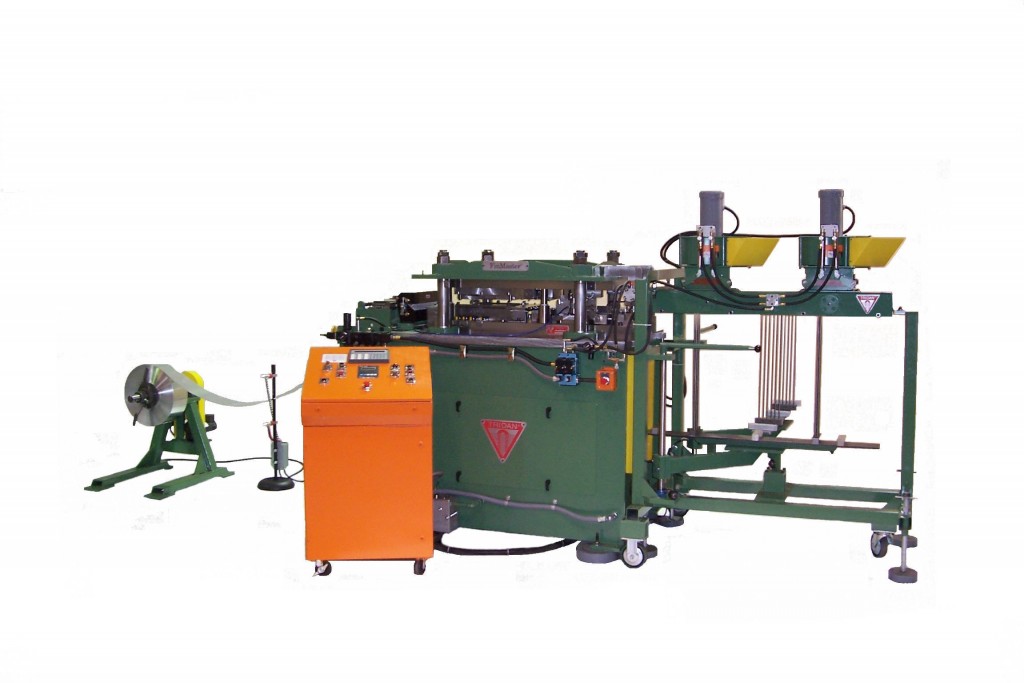
The right machinery plays an important role in managing production requirements, particularly for manufacturers producing different fin configurations.
Tridan International offers fin presses, fin dies, and supporting accessories for low-, medium-, and high-volume operations.
One example is the RLC75F Fin Press, designed to work with the RDVS-type ribbon fin die and its self-contained pull-feed system.
This arrangement allows manufacturers to use multiple compatible fin dies within a production line, providing flexibility when production requirements change.
Tridan’s product information describes a 45-minute die changeover for the specified RLC-Series and RDVS configuration. Actual changeover requirements depend on the equipment, tooling, application, and operating procedures.
Combined with appropriate accessories and organized production practices, equipment designed for efficient changeovers can help manufacturers better manage changing workloads.
Improve Your Fin Production Process With Tridan International
Reducing downtime begins with understanding where manufacturing time is being lost.
From preparing tooling and organizing material handling to verifying finished fin quality, small improvements in the changeover process can contribute to more dependable production.
For heat exchanger manufacturers, investing in equipment designed around their specific production requirements can also support long-term efficiency.
Since 1966, Tridan International has provided machinery solutions for HVAC and heat exchanger manufacturers, including fin presses, fin dies, coil expansion machines, and tube fabrication equipment.
Whether your company is updating an existing fin production line or evaluating machinery for a new application, Tridan can help you explore equipment suited to your manufacturing needs.
Contact Tridan International or call 217-443-3592 to discuss your fin production equipment requirements.
 217-443-3592