130 North Jackson Street, Danville IL 61832
 217-443-3592
 734-442-0101 |

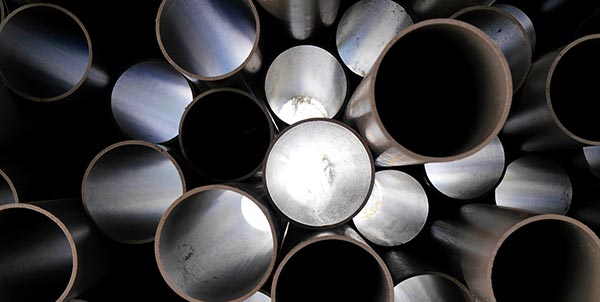
Tube expansion plays an important role in manufacturing heat exchangers, HVAC systems, and refrigeration equipment. When producing these components, manufacturers need a secure connection between the tubing and surrounding fins to support efficient heat transfer. The tube expanding process creates that connection by increasing the diameter of the tube until it fits tightly against the fin openings.
While the process may sound straightforward, proper tube expansion requires accurate measurements, careful preparation, and the right equipment. Expanding a tube too much can damage the material, while insufficient expansion can leave gaps that affect the finished product.
At Tridan International, we manufacture reliable tube expansion equipment designed to help businesses produce consistent, high-quality heat exchanger coils.
How Does the Tube Expanding Process Work?
Tube expanding involves increasing the diameter of a tube through mechanical force. In heat exchanger manufacturing, tubes are inserted through a series of fins before expansion takes place.
An expanding tool moves through the inside of the tubing, gradually increasing its diameter and creating a tight, metal-to-metal connection with the fins. This process can slightly reduce the tube wall thickness as the material expands.
The result is a secure mechanical bond that helps transfer heat efficiently between the tubing and fins. Proper expansion also helps maintain the structural integrity of the completed coil.
Steps for Proper Tube Expanding
Before beginning the tube expanding process, several measurements and preparations are necessary. These steps help manufacturers achieve the desired fit without damaging the tubing or surrounding components.
- Measure the tube hole diameter. Start by determining the size of the openings where the tubing will be inserted. Accurate measurements are essential for identifying the required expansion.
- Determine the tube’s outside diameter. Compare the outside diameter of the tubing to the hole diameter. Subtracting the tube’s outside diameter from the hole diameter establishes the initial clearance.
- Check the inside diameter and wall thickness. These measurements help determine the appropriate expansion tooling. Because expanding the tube can reduce wall thickness, the material’s specifications must be considered.
- Establish the required expansion. Determine the target dimensions needed to create a secure connection between the tube and fins. The appropriate amount of expansion depends on the tube material, coil design, and application.
- Inspect the finished expansion. After expanding a sample, check the dimensions and the tube-to-fin connection. This helps identify potential problems before moving into full production.
Taking time to complete these steps can help manufacturers reduce material waste, avoid unnecessary rework, and maintain consistent production quality.
Why Proper Tube Expansion Matters
Even small differences in tube expansion can affect the performance of a heat exchanger. A loose connection between the tubing and fins may reduce heat transfer efficiency, while excessive expansion can place unnecessary stress on the materials.
With the correct expansion process, manufacturers can achieve better dimensional consistency, reliable tube-to-fin contact, and fewer production defects.
This is especially important for companies producing condensers, evaporators, and other heat transfer components where dependable performance is essential.
Tube Expansion Equipment from Tridan International
Of course, getting consistent results requires equipment suited to your production needs. At Tridan International, we offer an extensive selection of coil and tube expansion machines for manufacturers working with different coil sizes and production volumes.
Our equipment includes several options:
- Horizontal Tube Expansion: Our Cellular Horizontal Expander (CHE) is designed to expand and perform final belling on tubes in small to medium-sized heat exchanger coils. We also offer the Qual-Ekon system for high-volume manufacturing.
- Vertical Tube Expansion: The Double-Sided Conventional Expander (DE) provides precise mechanical expansion with independent operation on each side. Tridan also offers low-profile vertical models for facilities with limited overhead space.
- Semi-Portable Tube Expansion: Our Flexpander machines offer flexibility for various coil manufacturing applications. The newer Servo Flexpander provides programmable expansion capabilities and can accommodate different coil configurations.
- Tube End Expansion: Our Tube End Sizers help manufacturers prepare tube ends for additional assembly operations, including belling and flaring for return bend insertion.
Whether you’re expanding coils in a smaller manufacturing shop or managing a high-volume production facility, selecting the right machinery can make a significant difference in workflow and finished product quality.
Find the Right Tube Expansion Machine for Your Business
Since 1966, Tridan International has provided manufacturing equipment for businesses involved in heat exchanger production, tube fabrication, and coil expansion.
We understand that every manufacturing operation has different requirements. That’s why we offer multiple tube expanding solutions to accommodate varying production demands, materials, and equipment layouts.
If you’re looking to improve your tube expanding process or upgrade your existing machinery, our team can help you explore the available options.
Request a quote on tube expansion equipment or call 217-443-3592 to discuss your manufacturing needs with Tridan International.
 217-443-3592